A Simple but Brilliant Idea from Tamarind Seeds
I first learned about tamarind while reading this article about a possible solution to the microplastics problem.
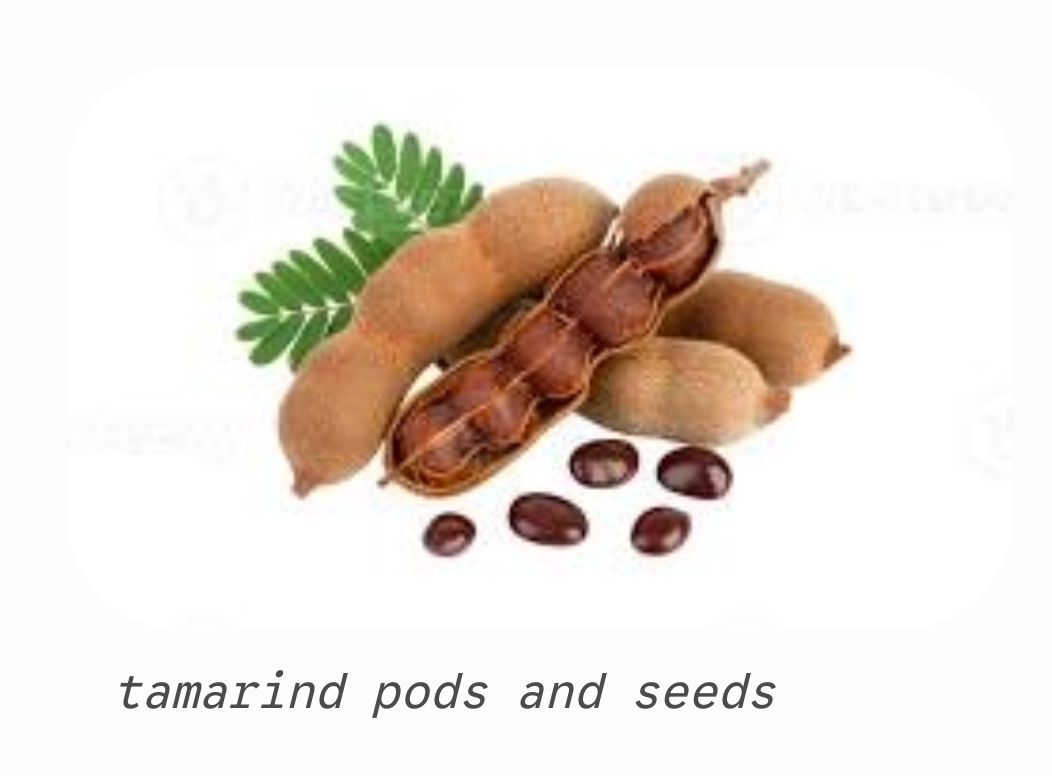
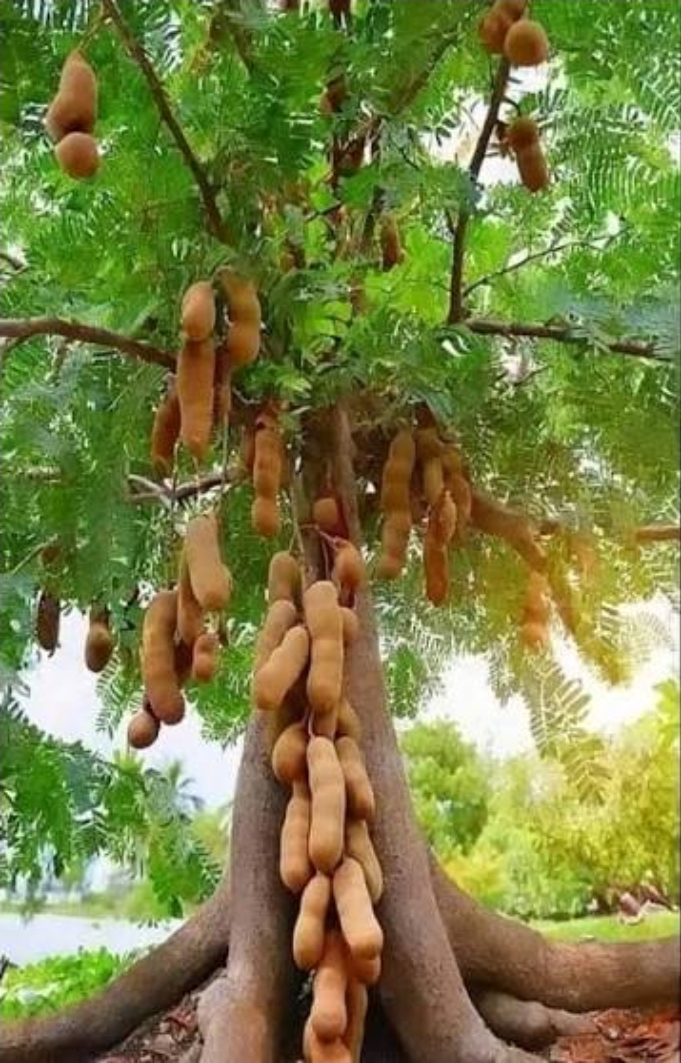
Curious, I looked it up and discovered that although tamarind is unfamiliar to many Koreans, it is a very common fruit in tropical regions.
Its pods look a bit like oversized peas or long peanuts.
The sweet-and-sour pulp is widely used in dishes such as Indian curries, Thai tom yum soup, and Pad Thai sauce.(타이똠양꿍,and 파타이소스)
What caught my attention was the seed.
The large, hard seeds were traditionally treated as waste.
However, they contain natural polysaccharides (폴리싸카라이드)that become sticky when mixed with water.
Scientists have already been investigating the use of tamarind seed polysaccharides (폴리싸카라이즈)for water purification and pollutant removal.
Because these natural substances can bind to tiny particles suspended in water, they have shown promise in wastewater treatment and microplastic removal.
A group of students built on this idea and came up with a clever innovation.
They dried the seeds, ground them into powder, and mixed the powder with tiny, safe magnetic iron(아이언) particles.
When this mixture is added to water, it attracts and traps microplastics.
The sticky tamarind material captures the plastic particles, while the magnetic particles allow the clumps to be easily removed with a magnet.
The process is simple, inexpensive, and environmentally friendly because it uses natural materials.
It can also trap fine dust, clay particles, and organic debris, helping to clean the water even further.
Importantly, beneficial minerals dissolved in the water are generally left behind.
Since minerals exist as dissolved ions rather than larger particles, they do not readily stick to the tamarind-based clumps.
The students' key contribution was not the discovery that tamarind could help remove pollutants.
Instead, their innovation was combining the tamarind-based material with magnetic particles, making the captured microplastics much easier to collect, separate, and recycle.
They went even further by creating a complete recycling system.
The collected plastic can be melted down and turned into useful products.
The students also shared their design publicly through a website, demonstrating not only creativity but also a strong commitment to practical action.
This invention reminds us that innovation does not always require advanced technology.
Sometimes a simple idea, combined with creativity and determination, can make a meaningful difference.
As an interesting side note, the magnetic particles used in the project are similar to materials that have been used in certain medical applications, including some MRI contrast agents and iron-based supplements.
This promising approach is still being refined and tested, but it may become one of many useful tools in the global effort to reduce microplastic pollution and improve water quality in the future.
'일상 폰 사진' 카테고리의 다른 글
| Could Cockroaches Become Future Food? (0) | 2026.06.16 |
|---|---|
| Living in an Age of Accelerating Change (0) | 2026.06.15 |
| Different Paths, Same Challenge (0) | 2026.06.10 |
| How Long Would I Like to Live? (0) | 2026.06.07 |
| A Small Wish Finally Fulfilled (0) | 2026.06.03 |